The skies over Wrexham have finally cleared. Not just meteorologically—though that’s a welcome change for a town long shadowed by Welsh rain—but culturally, economically, and emotionally. Its finally sunny in Wrexham, not because the clouds parted overnight, but because two Hollywood stars walked in and refused to see defeat where others saw destiny.
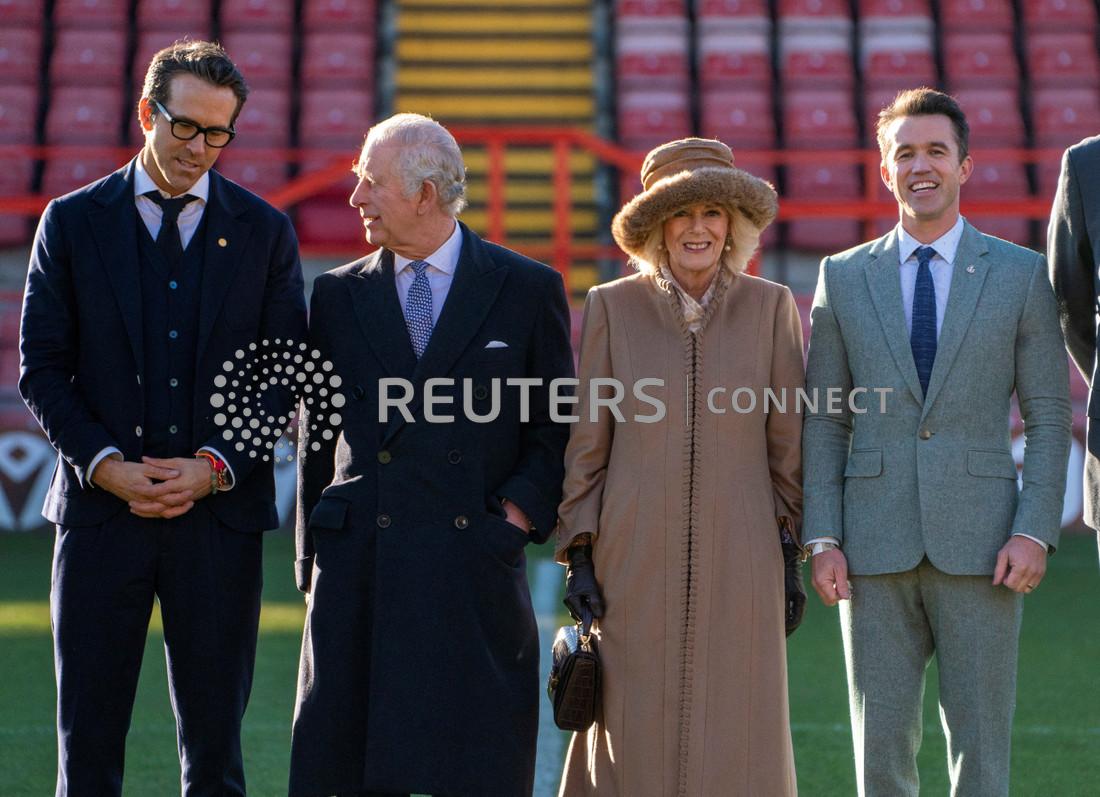
Wrexham, a town of just over 65,000 in northeast Wales, was once a symbol of post-industrial decline. Coal mines shuttered, factories rusted, and hope seemed in short supply. The local football club, Wrexham AFC—founded in 1864 and the third-oldest professional club in the world—became a mirror of the town: proud, historic, but stuck in lower-tier obscurity. Then, in 2020, something unexpected happened. Ryan Reynolds and Rob McElhenney bought the club.
It wasn’t just a celebrity vanity project. It was a cultural intervention.
Hollywood Meets Heartland: A Takeover Unlike Any Other
When Ryan Reynolds and Rob McElhenney announced their purchase of Wrexham AFC, most assumed it would follow the typical celebrity arc: flashy headlines, a viral documentary, then silence. Instead, they did something radical—they stayed. They listened. They invested.
The duo didn’t parachute in with ego and exit strategies. They embedded. Reynolds, known for Deadpool, and McElhenney, creator of It’s Always Sunny in Philadelphia, weren’t football moguls. They were fans—first of the game, then of the town.
Their first act? Transparency. They launched Welcome to Wrexham, a documentary series that didn’t just chronicle the club’s journey but captured the soul of the community. Over two award-nominated seasons, viewers met pub landlords, ticket office staff, lifelong fans, and players fighting for a shot. The cameras didn’t flinch at setbacks—relegation battles, managerial changes, injuries. But they also didn’t miss the moments of quiet triumph: a child meeting a player, a local business thriving on matchday, a town relearning pride.
This authenticity became the cornerstone of Wrexham’s revival.
From Obscurity to Opportunity: The Economic Ripple Effect
Its finally sunny in Wrexham isn’t just a metaphor—it’s measurable.
Before the takeover, Wrexham AFC averaged around 3,500 fans per game. In the 2023-2024 season, attendance surged past 9,000 regularly, with cup matches drawing over 11,000—exceeding the stadium’s official capacity. Why? Because people wanted to be part of something real.
That energy translated into economic momentum: - Local pubs, cafes, and shops report 30–50% revenue increases on matchdays. - Hotels in nearby Chester and Ruthin now market “Wrexham Experience” packages. - The club’s merchandise sales grew by over 400%, with global shipping to 120+ countries. - Tourism Wales noted a 22% jump in visitors citing Wrexham AFC as a primary reason.
But the real impact wasn’t just cash flow—it was confidence. For years, young people left Wrexham for bigger cities, chasing jobs and opportunity. Now, some are returning. Startups have emerged around fan experiences, local media, and football tourism. A town long defined by what it lost began imagining what it could build.
The Stadium as a Symbol: More Than Just a Pitch

The Racecourse Ground isn’t just a stadium. It’s a monument. The oldest international football stadium still in use, it hosted the first international match between England and Scotland in 1877. But by the 2010s, it was crumbling—leaky roofs, outdated facilities, no real accessibility.
Reynolds and McElhenney didn’t just fix it. They reimagined it.
Phase one of the stadium redevelopment—funded through private investment and grant partnerships—added: - A new South Stand with 1,500 seats, hospitality boxes, and fan zones - Improved accessibility for disabled supporters - Enhanced Wi-Fi and broadcast infrastructure - A community hub for local youth and outreach programs
But they went further. The owners announced plans for a mixed-use development: housing, retail, and a film studio. Yes, a film studio—leveraging Reynolds’ Hollywood ties to bring production jobs to north Wales. The vision? Turn the stadium into a 365-day destination, not just a matchday venue.
The Power of Narrative: Why the World Cared
Its finally sunny in Wrexham because the story was irresistible.
At a time when football is dominated by billionaire owners and financial doping, Wrexham offered the anti-narrative: underdogs, authenticity, community. The documentary didn’t just follow a club—it asked, “What happens when you care?”
Fans in Kansas, Tokyo, and Sydney began wearing red and white. Online communities sprouted. Reddit threads buzzed with tactical debates and fan art. The club’s global supporter base grew from a few thousand to over 100,000 registered international fans.
But the owners never lost focus on the locals. They launched the “Red Wall” membership, giving Wrexham residents priority access to tickets. They held town halls. They hired locally. When the club earned promotion to League Two in 2023, the celebration wasn’t in LA or Philadelphia—it was on Wrexham’s High Street, with Reynolds and McElhenney dancing in the rain.
Beyond Football: A Model for Rust Belt Revival
Wrexham’s story isn’t just about football. It’s a blueprint.
Other struggling towns—Burnley, Hartlepool, Flint—watch closely. Can a club really change a town? Wrexham suggests yes—if done right.
- The model hinges on three pillars:
- Authentic Leadership – Owners who show up, listen, and invest emotionally, not just financially.
- Narrative Leverage – Using media not as publicity, but as storytelling that invites participation.
- Community Ownership – Ensuring locals aren’t displaced by progress, but empowered by it.
The risks are real. Gentrification concerns linger. Some worry the town’s character could erode under sudden attention. Others question sustainability—what happens if Hollywood loses interest?
But so far, the balance holds. The club remains fan-engaged. Profits are reinvested. And the owners continue to treat Wrexham not as a brand, but as home.
The Promotion That Felt Like a Revolution
When Wrexham AFC secured promotion to the English Football League in April 2023, it wasn’t just a sporting milestone. It was emotional catharsis.
For 15 years, the club had been stuck in non-league football. Generations of fans had known only heartbreak. But that night, as the final whistle blew against Boreham Wood, the town erupted. Strangers hugged in the streets. Pubs ran dry. Fireworks lit the sky.
Reynolds, live on camera, choked up: “This is for the people who never gave up.”
The promotion wasn’t just about football. It was proof that change was possible. That investment in people, not just profit, could yield returns beyond the balance sheet.
And the momentum didn’t stop. The following season, Wrexham topped League Two for much of the campaign, drawing national media attention and forcing bigger clubs to take notice.
What Comes Next: Sustaining the Sunshine
Its finally sunny in Wrexham—but weather changes.
The challenge now is permanence. Promotion brings higher costs, tougher competition, and greater scrutiny. The owners have pledged to avoid reckless spending. Instead, they’re building a sustainable model: youth development, smarter recruitment, deeper community integration.
They’ve also expanded off the pitch: - A Wrexham AFC Foundation now funds local sports and education programs. - Partnerships with schools use football to teach life skills. - Mental health initiatives are embedded in fan engagement.
And the documentary? It’s evolving. Season three dives into the pressures of success—how to grow without losing soul. Can Hollywood keep its heart in a Welsh town when fame beckons elsewhere?
A Town Reborn: The Human Impact
Behind every stat is a human story.
Like Sarah, who reopened her café near the stadium after years of barely surviving. Now, she employs three and hosts a “Matchday Brunch” that sells out weekly.
Or Dai, a 72-year-old season ticket holder who’s followed Wrexham since 1958. “I thought I’d die waiting to see us back in the EFL,” he said after promotion. “Turns out, I just needed two actors from America.”
Or Mia, a 19-year-old who studied sports management in Cardiff and returned to Wrexham to work with the club’s community outreach. “I used to think I had to leave to make a difference,” she said. “Now I’m helping build the future here.”
Conclusion: The Sun Isn’t Setting
Its finally sunny in Wrexham—not because of celebrity, but because of commitment.
Ryan Reynolds and Rob McElhenney didn’t save Wrexham. The people did. The stars just turned the spotlight on them.
This isn’t just a football story. It’s a testament to what happens when hope is paired with action, when fame is used as a force multiplier for community, and when a town long overlooked remembers its worth.
The rain may return. The challenges aren’t over. But for the first time in decades, Wrexham isn’t waiting for salvation. It’s building its own future—one match, one decision, one believer at a time.
Take a lesson: revival doesn’t require billions. It requires belief.
FAQ
What did Ryan Reynolds and Rob McElhenney buy in Wrexham? They purchased Wrexham AFC, a historic football club in northeast Wales, in February 2021.
Has Wrexham AFC been promoted since the takeover? Yes, Wrexham won the National League in 2022-2023 and were promoted to EFL League Two. They are aiming for further promotion in subsequent seasons.
Is “Welcome to Wrexham” real or staged? The documentary series is real, following actual events and people. While edited for narrative flow, it captures genuine moments and emotions.
How has Wrexham changed economically since the takeover? Local businesses have seen significant growth, stadium investment has increased, tourism has risen, and new job opportunities have emerged in media and hospitality.
Do Reynolds and McElhenney run the club day-to-day? No, they hired professional football leadership. They focus on strategy, investment, and community engagement, not daily operations.
Are locals benefiting from the club’s success? Yes—through job creation, community programs, priority ticket access, and economic spillover in local businesses.
Could this model work for other small towns? Yes, if leadership is authentic, community-focused, and long-term. Wrexham’s success hinges on trust, not just money.
FAQ
What should you look for in Its Finally Sunny in Wrexham: Hollywood’s Gamble on a Welsh Town? Focus on relevance, practical value, and how well the solution matches real user intent.
Is Its Finally Sunny in Wrexham: Hollywood’s Gamble on a Welsh Town suitable for beginners? That depends on the workflow, but a clear step-by-step approach usually makes it easier to start.
How do you compare options around Its Finally Sunny in Wrexham: Hollywood’s Gamble on a Welsh Town? Compare features, trust signals, limitations, pricing, and ease of implementation.
What mistakes should you avoid? Avoid generic choices, weak validation, and decisions based only on marketing claims.
What is the next best step? Shortlist the most relevant options, validate them quickly, and refine from real-world results.