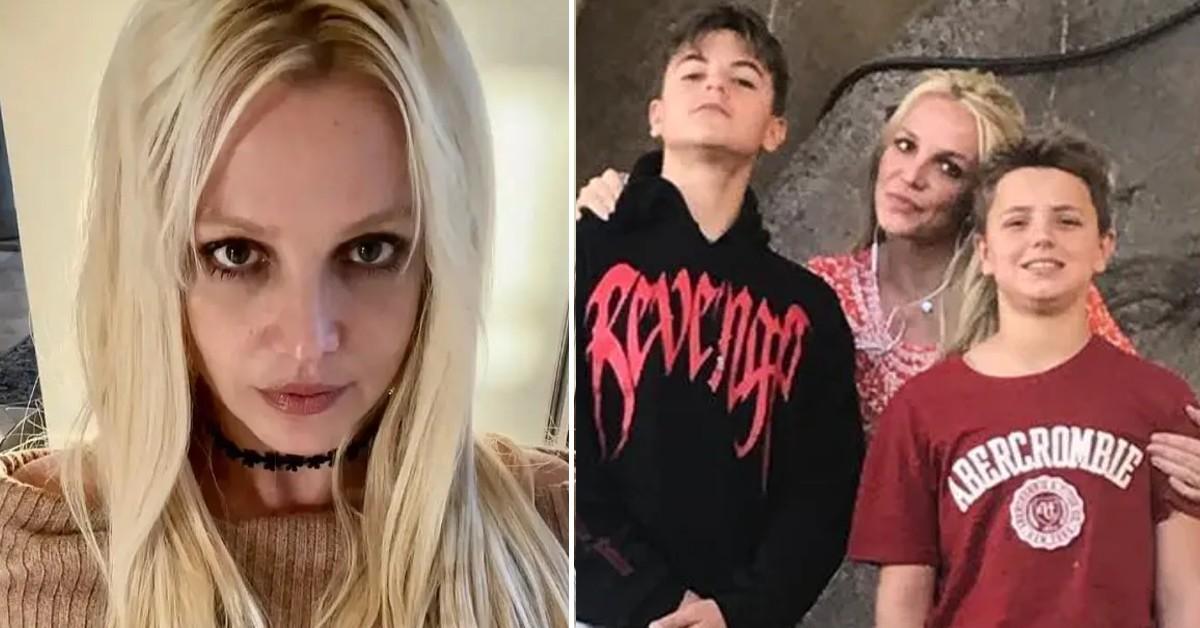
Britney Spears is trying to get clean — again. This time, it’s not just about conservatorship battles or court appearances. A recent DUI arrest has forced the pop icon into rehab, where she’s attempting to go cold turkey on alcohol. But sources close to the singer say the road to sobriety isn’t unfolding as smoothly as fans might hope. After years of public breakdowns, substance misuse, and media scrutiny, “Boozy Britney” is back in the spotlight — not for a comeback single, but for struggling to stay sober.
Her current rehab stint follows a car crash and a blood-alcohol level that raised red flags with law enforcement. While the incident hasn’t led to criminal charges beyond the DUI, it’s intensified concerns about her long-term stability. Unlike past interventions that were managed under the watchful eye of her former conservators, this time, Britney is navigating recovery as a free woman — and that autonomy comes with its own set of complications.
The DUI Incident That Changed Everything
Late one night in the San Fernando Valley, a white SUV veered off the road and struck a street sign. Police responded to the scene to find Britney Spears behind the wheel, visibly disoriented. Breathalyzer results reportedly showed a BAC above the legal limit. No other vehicles were involved, and she wasn’t injured — but the image of the once-blonde pop prodigy sitting in the driver’s seat, glassy-eyed and shaken, quickly made headlines.
For many, it was a chilling echo of 2007 — the year of the umbrella incident, the head-shaving, and the conservatorship’s beginning. But this time, Britney isn’t under court-mandated control. She chose rehab. That decision, while voluntary, hasn’t made detox any easier.
Going cold turkey from chronic alcohol use can be dangerous — even life-threatening — without medical supervision. Symptoms like seizures, delirium tremens, and extreme anxiety are common. Insiders say Britney experienced severe withdrawal in the first 72 hours, requiring round-the-clock monitoring. Her body, accustomed to daily alcohol consumption, is rebelling. Sleeplessness, nausea, and emotional volatility have made therapy sessions difficult to engage with.
Why Cold Turkey Is Backfiring
Detoxing “cold turkey” — abruptly stopping substance use without tapering or medication — is often glamorized in celebrity rehab stories. But medical professionals warn it’s rarely the safest approach, especially for long-term drinkers.
Britney’s pattern of use, according to a source familiar with her treatment plan, suggests years of functional drinking — using alcohol to manage anxiety, insomnia, and the emotional fallout of her public life. That kind of dependency doesn’t vanish overnight. In fact, quitting suddenly can worsen mental health symptoms.
“People think rehab is a spa, but for someone with deep-rooted trauma and substance reliance, it’s war,” said a former rehab counselor who worked with high-profile clients. “Going cold turkey without psychological support is like defusing a bomb blindfolded.”
In Britney’s case, the absence of a structured tapering protocol has led to setbacks. She reportedly left the facility for two hours during her second week, overwhelming staff. While she returned voluntarily, the incident exposed the fragility of her commitment — and the difficulty of enforcing boundaries when the patient is a wealthy, independent adult.
The Role of Trauma in Her Addiction
You can’t discuss Britney’s relationship with alcohol without confronting the trauma that defined her adulthood. From the relentless paparazzi to the 13-year conservatorship that stripped her of autonomy, her life has been a pressure cooker of control and exploitation.
Rehab therapists working with her now emphasize that her drinking isn’t just habit — it’s coping. Alcohol became a tool to numb the pain of being constantly watched, criticized, and managed. Early sessions have focused on uncovering the root causes: fear of abandonment, unresolved grief over her father’s role in her conservatorship, and the lingering shame from public humiliations.
One session, according to a leaked treatment summary, centered on a voicemail from 2008 — a moment when she begged her management team for help, only to be told, “Just keep smiling for the cameras.” That unmet cry for help, therapists say, laid the foundation for self-medication.
“She didn’t start drinking to be ‘wild’ — she started drinking to survive,” said a psychologist specializing in celebrity trauma. “Until that narrative shifts, sobriety will feel like loss, not liberation.”
The Public’s Role in Her Recovery
Britney’s journey is playing out under a microscope. Every social media post, paparazzi photo, and tabloid headline adds stress. While some fans rally behind #FreeBritney, others dissect her behavior for signs of relapse.
This duality is dangerous. On one hand, public support can motivate recovery. On the other, constant scrutiny triggers the very anxiety that led to drinking in the first place. After her DUI, Britney deactivated her Instagram for 10 days — a telling sign of digital overwhelm.
Meanwhile, podcasts and YouTube channels have turned her rehab stay into content. Click-driven narratives paint her as either a victim or a trainwreck, leaving little room for nuance. One viral video titled “Britney’s Last Chance?” racked up 2 million views in 48 hours — monetizing her pain.
The reality? Recovery isn’t linear. Relapses aren’t moral failures — they’re part of the process for many. But in the court of public opinion, every stumble is treated as a collapse.
What Effective Rehab Looks Like — And Where Hers Falls Short
Not all rehab programs are created equal. Luxury facilities often promise privacy and holistic healing, but lack medical rigor. Britney’s current center, located in Malibu, offers equine therapy, private chefs, and ocean views — but former clients report weak aftercare planning and underqualified staff.
For long-term success, addiction specialists recommend:
- Medically supervised detox
- Trauma-informed therapy (like EMDR)
- Dual diagnosis treatment (for co-occurring disorders)
- 12-month aftercare plans
- Family education and boundaries
While Britney’s team has reportedly brought in an independent addiction psychiatrist, integration with the facility’s staff has been inconsistent. There’s also no public accountability — a missing piece that could undermine her progress.
Compare her situation to Demi Lovato, who entered rehab multiple times before achieving sustained sobriety. Lovato’s success came not from one program, but from repeated attempts, transparent setbacks, and a commitment to public healing. Britney, by contrast, is being shielded — perhaps too much.
Can Fame and Freedom Coexist With Recovery?
This is the central tension in Britney’s story. For years, fans demanded her freedom. Now that she has it, the freedom itself is complicating her healing.
Under the conservatorship, her life was rigidly controlled — no driving, no spending, no unsupervised guests. While oppressive, that structure inadvertently limited access to alcohol. Today, she owns homes, controls her finances, and makes her own choices. That autonomy is empowering — but also risky.
She can check out of rehab whenever she wants. She can buy alcohol. She can drive. And while that’s her legal right, it also means recovery relies entirely on internal motivation — which fluctuates, especially during withdrawal.
One source said she recently argued with staff over a scheduled family visit: “She wanted to leave early to attend a friend’s birthday. They said no. She called her lawyer.” That clash highlights a dangerous gap: the ability to say no to oneself is the cornerstone of sobriety — but it’s harder to build when you’ve spent years having others make decisions for you.
The Bigger Picture: Addiction in the Spotlight
Britney’s struggle isn’t unique. Stars like Robert Downey Jr., Eminem, and Elton John have battled addiction in public — and won. But their recoveries took years, multiple programs, and, in most cases, a willingness to be vulnerable.
What sets Britney apart is the length of her public unraveling — and the fact that she’s trying to heal while still being treated as a commodity. Her music is reissued. Her memoir is repackaged. Documentaries re-air her lowest moments. All of it profits off a narrative of crisis — while she tries to move past it.
Until the culture shifts from sensationalism to support, celebrities like Britney will face an uphill battle. Healing requires safety, privacy, and time — three things fame rarely allows.
“We love to watch people fall. We love to watch them rise. But we rarely let them rest in between,” said a recovery advocate. “Britney isn’t just fighting addiction. She’s fighting the machine that made her sick.”
What Comes Next for Britney?
There’s no clear timeline for recovery. Some experts say 90 days is the minimum for meaningful change. Others argue healing takes years. For Britney, the next few months will be critical.
Signs of progress? She’s reportedly attending group therapy, reconnecting with her children, and exploring sober living options. But setbacks — like a recent canceled therapy session due to “emotional distress” — show how fragile the process remains.
Ultimately, her success won’t be measured by red carpet returns or music comebacks. It’ll be measured by consistency, honesty, and the quiet, unglamorous work of staying sober — one day at a time.
For fans, the best support isn’t speculation or surveillance. It’s space. It’s empathy. It’s remembering that behind the headlines, there’s a woman trying to heal — not perform.
FAQ
Did Britney Spears get arrested for DUI? Yes, she was arrested after a single-car crash with a blood-alcohol level above the legal limit. No one else was injured.
Is Britney Spears in rehab voluntarily? Yes, she entered rehab of her own accord following the DUI incident.
What does “going cold turkey” mean in rehab? It means stopping substance use abruptly without tapering or medication, which can be risky for long-term drinkers.
How is Britney’s current situation different from 2007? She’s no longer under a conservatorship, so she has full legal autonomy — making her recovery self-directed.
Why is her recovery so difficult now? Years of trauma, public scrutiny, and sudden freedom make sustained sobriety harder to maintain.
Has Britney spoken publicly about her rehab stay? No, she has not made any public statements since entering treatment.
What are the signs of alcohol withdrawal? Anxiety, nausea, tremors, insomnia, and in severe cases, seizures or hallucinations.
FAQ
What should you look for in Boozy Britney Bounces Back: The Hard Road to Sobriety After DUI? Focus on relevance, practical value, and how well the solution matches real user intent.
Is Boozy Britney Bounces Back: The Hard Road to Sobriety
After DUI suitable for beginners? That depends on the workflow, but a clear step-by-step approach usually makes it easier to start.
How do you compare options around Boozy Britney Bounces Back: The Hard Road to Sobriety After DUI? Compare features, trust signals, limitations, pricing, and ease of implementation.
What mistakes should you avoid? Avoid generic choices, weak validation, and decisions based only on marketing claims.
What is the next best step? Shortlist the most relevant options, validate them quickly, and refine from real-world results.